Bulk Enzyme for Anaerobic Digestion
Biogas plants do not operate on ideal feedstock. Substrate quality shifts, solids loading changes, fibrous material resists breakdown, and the digester has to absorb the stress. AneroShift supplies bulk enzyme solutions for anaerobic digestion to help plant teams improve hydrolysis, support steadier methane production, and reduce process strain before it becomes a production problem.
As an enzyme supplier for biogas production, AneroShift works with operators who need practical support: cleaner substrate conversion, better slurry behavior, controlled dosing, and measurable trial protocols that fit real plant conditions.
Enzyme support built for digester performance
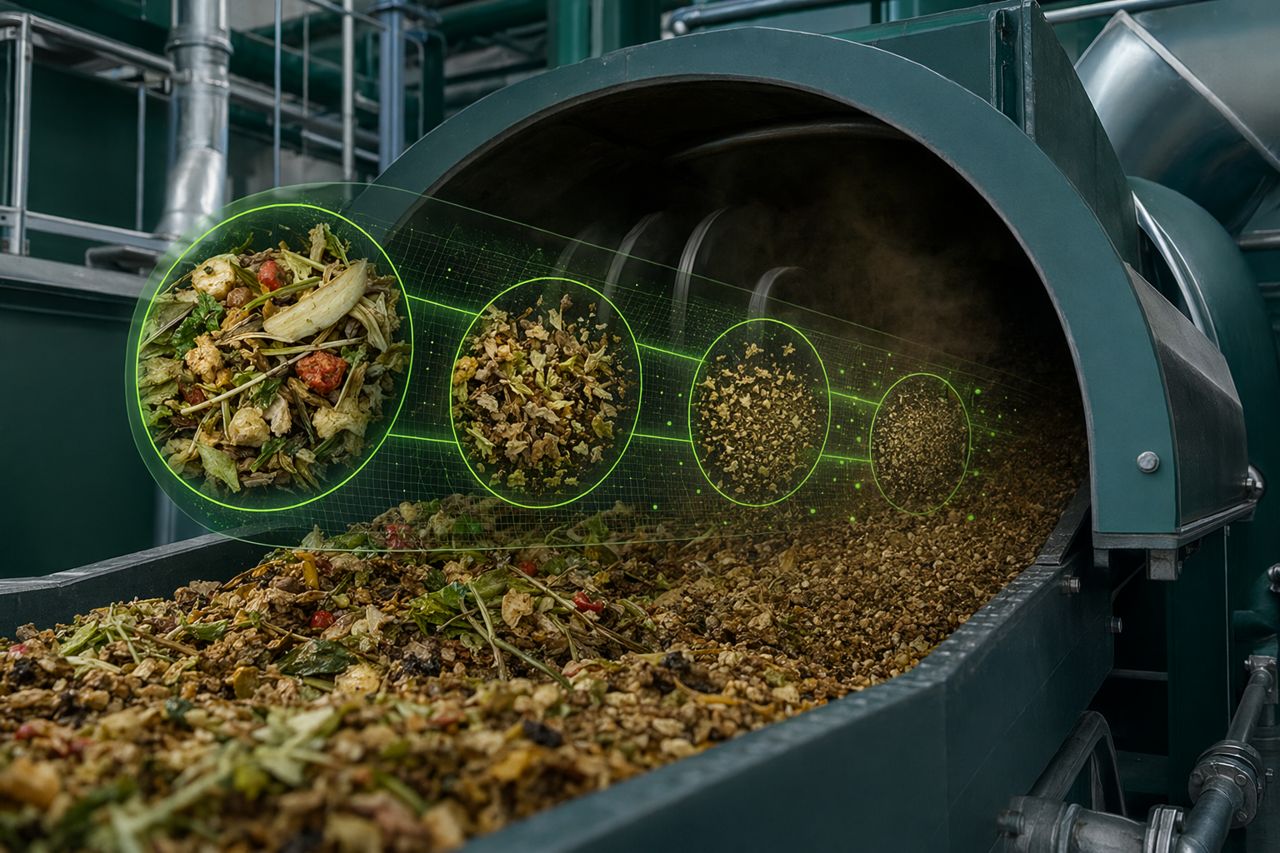
Anaerobic digestion depends on how efficiently complex material becomes accessible to the microbial community. When hydrolysis is the bottleneck, gas potential can remain locked inside fibers, starch-rich particles, fats, proteins, or mixed organic waste.
AneroShift enzyme programs are selected to support the front end of that conversion process. The objective is to help break down difficult substrate fractions earlier, reduce viscosity where applicable, and create a more manageable feed profile for stable digestion.
Typical operating goals
- Faster access to hydrolysable material
- Improved methane yield potential from variable feedstock
- Reduced process stress from high-solids or fibrous streams
- More stable VFA behavior during feed changes
- Better pumpability and mixing characteristics in challenging slurries
- Lower foam risk where foam is linked to substrate overload or poor breakdown
- Support for retention-time optimization and throughput planning
For plants handling variable feedstock
AneroShift is designed for industrial biogas operations processing one or more of the following streams:
- Manure and agricultural residues
- Maize silage, grass silage, and crop residues
- Food waste and source-separated organics
- Sludge and municipal organic streams
- Fats, oils, greases, and mixed industrial organics
- High-fiber or high-solids blends
- Seasonal feedstock programs with shifting input quality
The right enzyme approach depends on the feedstock matrix, digester design, loading pattern, and plant targets. AneroShift does not treat enzymes as a one-size additive. We match the formulation and dosing strategy to the operating problem the plant is trying to solve.
Where enzymes can create value in anaerobic digestion
Faster hydrolysis
Fibrous plant material, complex carbohydrates, proteins, and fats can slow the front end of digestion. Enzyme-assisted hydrolysis helps expose more accessible material earlier in the process, supporting more consistent conversion.
Methane-focused substrate utilization
Better breakdown can help the digester capture more value from incoming organics. For many operators, the commercial case is simple: convert more of the paid-for or contracted feedstock into usable gas rather than carrying unconverted material through the system.
Reduced viscosity and handling stress
High-solids feedstock can create mixing, pumping, and transfer issues. Enzyme programs may help improve slurry behavior, reduce localized loading stress, and support more even contact between substrate and the microbial community.
Stability during feedstock changes
When feedstock quality shifts, operators often see pressure in VFAs, foaming tendency, gas consistency, or retention behavior. Enzyme use can be evaluated as part of a controlled strategy to smooth transitions and reduce the severity of process swings.
A controlled trial protocol, not guesswork
AneroShift supports enzyme trials with a practical plant protocol. The goal is to give operations and management teams enough data to decide whether the program should move into routine use.
Step 1: Baseline the plant
We review normal operating data before dosing begins, including feedstock mix, loading pattern, gas output, VFA trend behavior, foaming observations, viscosity or handling notes, digestate characteristics, and any chemical or antifoam inputs.
Step 2: Define the target
The trial should have a clear commercial and operational target. Common targets include methane uplift, improved hydrolysis of a specific feedstock, smoother VFA response, reduced foam events, better pumpability, or improved utilization of a lower-cost substrate.
Step 3: Select dosing point and handling method
We help identify where the enzyme should be introduced, such as feed preparation, mixing tanks, pre-treatment zones, or other plant-appropriate dosing locations. The dosing plan is built around operator access, mixing quality, temperature exposure, residence profile, and daily routines.
Step 4: Track the right indicators
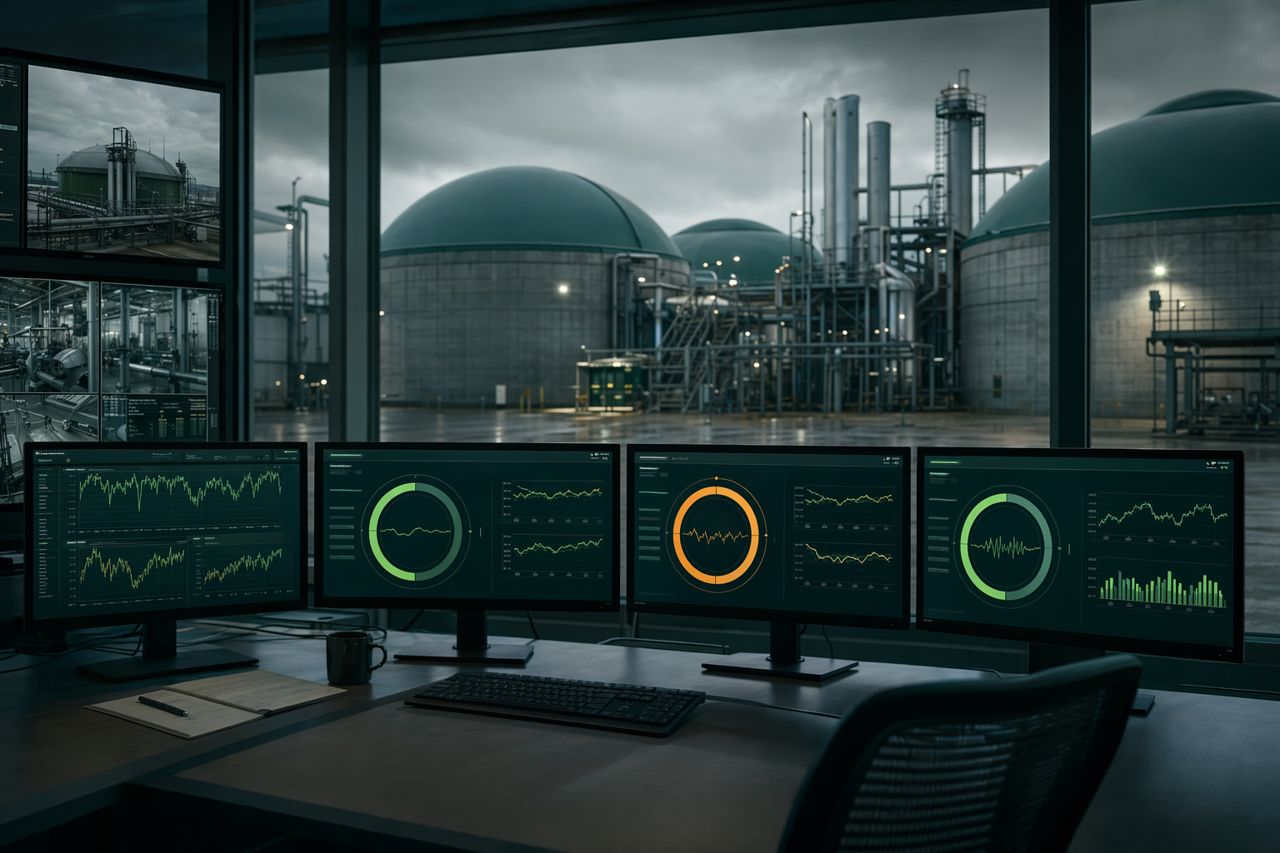
AneroShift trials focus on plant-relevant indicators, not lab-only claims. Typical measures include gas output trend, methane concentration trend, feedstock input, VFA behavior, alkalinity relationship, foam incidents, viscosity observations, pumping performance, retention behavior, and chemical input changes.
Step 5: Compare against the operating window
The trial outcome is assessed against the plant baseline and normal variability. This allows the team to distinguish real operating value from short-term noise caused by feed changes, maintenance events, or seasonal substrate shifts.
Bulk supply for industrial biogas sites
AneroShift supplies enzyme products in bulk formats suitable for professional biogas operations. We support procurement and technical teams with documentation, handling guidance, storage recommendations, and supply planning for ongoing use.
What buyers can expect
- Bulk enzyme supply for plant-scale dosing
- Technical review before quote preparation
- Product selection based on feedstock and operating objective
- Dosing guidance aligned with plant layout and routines
- Trial structure for measurable decision-making
- Documentation for industrial purchasing and site handling
- Responsive supply planning for repeat orders
Common use cases
High-fiber agricultural digestion
Crop residues, grass, silage, and manure blends can contain structural material that resists breakdown. Enzyme support may help open these fractions earlier and improve conversion consistency.
Food waste and mixed organics
Mixed organic streams can shift rapidly in composition. Enzyme programs can be selected to support complex carbohydrate, fat, and protein breakdown while helping operators manage variability.
High-solids or viscous slurries
When feedstock becomes difficult to pump or mix, conversion can suffer. Enzyme-assisted breakdown may improve slurry behavior and reduce mechanical and process stress.
Plants seeking more value from existing assets
For sites where tanks, CHP capacity, upgrading systems, or feedstock contracts are already in place, enzyme programs can be evaluated as a way to improve output from the current operating envelope before major capital changes are considered.
Practical questions before quoting
To prepare a relevant quote, AneroShift typically asks for:
- Feedstock types and approximate mix
- Digester configuration and key process stages
- Current operating challenge or target outcome
- Existing dosing equipment or available access points
- Recent trend data for gas output and process stability
- Foam, viscosity, or pumping observations
- Preferred packaging and delivery requirements
- Trial timing and internal decision criteria
Request a quote
If your plant is evaluating bulk enzyme for anaerobic digestion, AneroShift can review the process objective and recommend a practical supply plan.
Use the on-site request form and include your feedstock mix, plant target, and preferred trial timing. We will respond with the information needed to move from technical review to a clear quote.